

CAD jobs are in high demand across industries like construction, automotive, and manufacturing, where advanced technology and precise design are essential for success. These roles are important in fields from creating precise architectural plans to designing mechanical parts. Whether you are starting out in the field or seeking specialization, CAD roles provide competitive salaries and room for career advancement.
In this article, we will guide you through the world of CAD jobs, uncovering the essential skills you will need and the industries that rely on these professionals. This guide offers valuable insights on career growth, salary expectations, and practical tips to help you succeed in this ever-evolving field. Let’s talk in detail about the career in CAD that could be the perfect fit for you and how you can get started on this exciting path.
Importance of CAD jobs in Today’s Market
CAD plays a big role in modern industries, providing innovative solutions through precise designs and efficient structures. As technology advances and industries depend on it, CAD jobs become important for creating accurate models and improving efficiency.
Key Roles and Responsibilities of CAD jobs
CAD jobs are needed to turn creative ideas into practical designs, ensure accuracy, and follow industry standards. They have many responsibilities, with different tasks that directly impact a project’s success.
- Creating detailed 2D and 3D models of products, buildings, machinery, and other complex structures.
- Work with engineers, architects, and different professionals to convert amazing ideas into reality.
- Ensure that the designs meet the standards of the industry and the project’s requirements.
- Using advanced software like AutoCAD, SolidWorks, or Revit to improve the design process.
- Troubleshooting design issues and suggesting improvements for efficiency.
Industries with High Demand for CAD Skills
The demand for CAD experts increases day by day in industries that need this technology to improve their production and make better designs. CAD professionals have a major impact on fields that need accuracy and efficiency.
- It is needed to design the building structure, floor ideas, and other requirements.
- Mostly used in mechanical systems, automotive parts, and industrial equipment.
- Engineers can modify the structure of aircraft with accuracy and safety measurements.
- Creating detailed layouts for furniture, lighting, and spatial planning.
Types of CAD Jobs
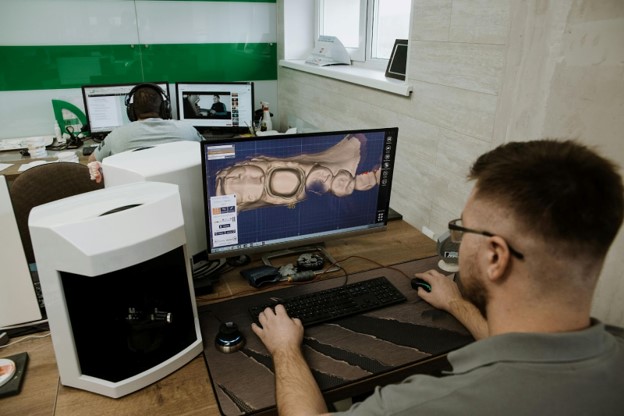
These jobs provide great opportunities in various industries. These roles need special skills to help them turn their ideas into reality. In fields like agriculture, engineering, or manufacturing, CAD gives creative design with accuracy. The need for skilled CAD workers increases as companies adopt CAD design and production.
CAD Drafter
A CAD drafter creates detailed 2D or 3D technical drawings based on project requirements. Engineers and architects collaborate to ensure accurate designs that meet the required specifications. These professionals play an important role in bringing amazing ideas to reality for construction or production.
The drafter can adjust the designs based on feedback from team members or clients, refining the drawings to meet project goals. CAD jobs such as drafting are an amazing beginning for those looking to build a career in the CAD field.
CAD Designer
Their tasks often involve creating prototypes and simulating designs to confirm functionality before production starts. CAD role designers need a mixture of creativity and technical skills, which allows them to work on a wide range of projects.
CAD Engineer
CAD engineers use engineering principles to create efficient and practical design solutions. They work with teams to improve the design, run simulations, and test for performance and safety. CAD engineering jobs require a solid understanding of materials and manufacturing processes to develop creative, functional designs.
Engineers need a collaboration of manufacturing teams to ensure the design meets production standards. A CAD engineer’s work is important in connecting creative ideas with practical, real-world applications.
Specialized CAD Roles
Specific CAD roles focus on particular industries and need a lot of technical knowledge. For example, aerospace CAD professionals design parts accurately, considering safety and performance standards. These roles involve using advanced CAD software and are important in automotive, healthcare, and defense industries. These jobs require expert knowledge in areas, making them highly valued.
Such experts can work on complex projects, using them to solve unique challenges and give new ideas for invention. These jobs offer exciting chances for those with advanced skills.
Comparison of CAD Jobs: Roles & Salaries
CAD jobs depend on the responsibilities, required skills, and salary expectations. Professionals can focus on areas like drafting, designing, or engineering, depending on the position. Knowing the difference between these roles can help people make better career decisions. Below is a comparison of common CAD jobs, showing their roles, salaries, and key skills.
| CAD Role | Average Salary (Annual) | Key Responsibilities | Required Skills |
| CAD Drafter | $50,000 – $60,000 | Preparing technical drawings | AutoCAD, Drafting Principles |
| CAD Designer | $65,000 – $80,000 | >Creating detailed designs | 3D Modeling, Rendering Tools |
| CAD Engineer | $75,000 – $100,000 | Overseeing engineering projects | Simulation Software, Engineering Knowledge |
| Mechanical CAD Specialist | $70,000 – $90,000 | Designing mechanical components | SolidWorks, Mechanical Design |
| Architectural CAD Technician | $55,000 – $70,000 | Drafting architectural blueprints | Revit, Building Codes Knowledge |
Skills and Qualifications for CAD jobs

To perform well in CAD careers, people need a good mixture of technical skills, education, and personal skills. These skills help individuals to give their best in various jobs and keep up with changes in the fields. Here’s a look at the key skills and qualifications needed for a successful CAD career.
Technical Proficiency
Technical skills are important for CAD jobs because they can affect the quality of designs and work perfection. If someone wants CAD experts, they must be skilled in software like AutoCAD, SolidWorks, and Revit to make detailed models and drawings. In addition to software knowledge, understanding design principles, geometry, and engineering concepts is important to meet the requirements and achieve accuracy in the work.
If you know about 3D modeling, simulation tools, and other software can improve your ability as a CAD expert and help you to create realistic designs. Solid technical skills are necessary for getting precision and meeting industry standards in any CAD job.
- AutoCAD
- SolidWorks
- Revit
- 3D Modeling
- Simulation Tools
- Rendering Software
- Design Principles
- Engineering Knowledge
Educational Pathways
Most CAD jobs need formal education, and others need valuable practical experience and certification. Many CAD professionals begin their careers with degrees in architecture, engineering, or industrial design. However, various diplomas or certifications in specific CAD software can also be valuable, especially for those looking to specialize in particular areas.
Educational pathways offer basic knowledge in math, design principles, and problem-solving skills. For those looking for higher positions, a bachelor’s or master’s degree in engineering or related fields can lead to better CAD jobs and career growth.
- Bachelor’s in Engineering
- Degree in Architecture or Industrial Design
- CAD Software Certifications
- Diploma in CAD or Drafting
- Master’s in Engineering
Soft Skills
Along with technical skills, soft skills are important for success in CAD jobs. Communication is essential when working with teams and clients, making sure that designs are properly shared. Attention to detail is another important skill because small mistakes can lead to costly errors and delays in the project.
Quickly thinking and solving problems is a great ability that helps CAD experts get creative solutions to face challenges. Being adaptable and managing time in a good way is also important to handling strict deadlines and multiple projects.
- Communication Skills
- Attention to Detail
- Problem-Solving
- Critical Thinking
- Time Management
- Adaptability
- Collaboration Skills
Future Demand for CAD jobs
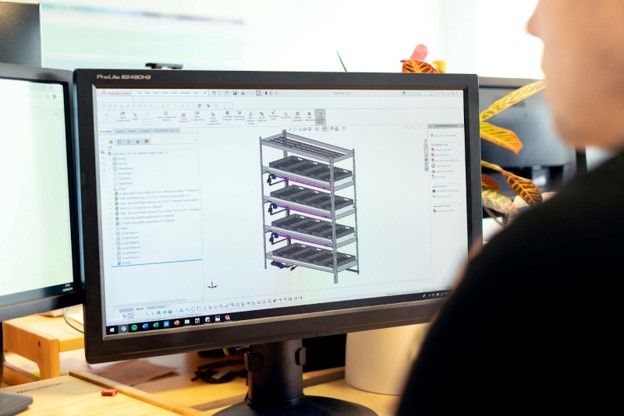
The demand for CAD experts has stayed high, with industries worldwide depending on a person’s skills to create accurate designs. Understanding the current job market and future trends helps job seekers make smart decisions about their careers in the developing world of CAD.
Current Employment Trends
The demand for CAD experts is on the rise, with many industries seeking skilled workers. Recent data shows that demand for CAD professionals will continuously increase as businesses adopt new technologies and automation. There are many types of job opportunities available, like engineering design, architecture, and construction, where companies look for people skilled in advanced CAD tools.
Industries such as 3D printing, automotive, and aerospace have significantly increased the demand for CAD professionals. These jobs are important for getting accuracy and perfection in the designs.
- 5% growth in CAD-related jobs projected over the next decade
- High demand in engineering, architecture, and manufacturing sectors
- Increased opportunities in emerging industries such as 3D printing and robotics
Future Growth Projections
The CAD industry’s future growth looks strong, with demand expected to rise as more industries adopt advanced technologies. Sectors like engineering, architecture, and manufacturing will continue to need skilled CAD workers to create precise designs and stay competitive. The growth offers plenty of job opportunities in the coming years.
As digital transformation increases in industries, the demand for CAD experts also increases to make better designs and production that are united with unique technologies. The job chances in this field are always increasing, and it is a great opportunity for CAD experts to demonstrate their skills.
- Rising demand for AI-integrated CAD software
- Growth in autonomous vehicle design and robotics industries
- Expansion of virtual and augmented reality design roles
Geographic Hotspots
As CAD jobs are available all over the world, most regions have become key locations for CAD professionals due to the attention of industries and technology hubs. Major cities in the U.S, like San Francisco, New York, and Chicago, have a high demand for CAD professionals in the engineering, architecture, and manufacturing sectors. In Europe, cities like London, Berlin, and Munich have also become important places for CAD jobs because of the automotive and aerospace industries.
In addition to these well-established hotspots, emerging tech hubs in Asia and the Middle East are increasingly becoming centers for CAD-related roles. Professionals willing to relocate may find abundant opportunities in these growing regions.
- High demand in major U.S. cities (San Francisco, New York, Chicago)
- CAD growth in European tech hubs (London, Berlin, Munich)
- Emerging opportunities in Asia and the Middle East
Challenges and Rewards of CAD jobs
Doing CAD jobs can be rewarding and also challenging. As industries depend on CAD professionals, individual experts play an important role in major projects, overcoming challenges while reaping numerous career benefits.
It is necessary to know about the challenges and rewards for both those who want a long-term job in CAD and design-related fields.
Common Challenges
The most common challenge for CAD professionals is to face engaging software. As the technology becomes advanced, experts have to give time to learning about new tools and updates. It can be time-consuming and frustrating.
It is hard for experts to work within strict deadlines. CAD professionals are required to make detailed designs in a short time, which can create stress. In addition, working with teams like engineers and architects can lead to differences in design expectations.
- The constant need for software updates and new tool mastery
- Managing high-pressure, deadline-driven projects
- Balancing diverse team expectations and communication
- Overcoming design errors and revisions
Rewards and Fulfillment
A career in CAD offers the chance to work on innovative and impactful projects. CAD professionals often create designs that shape entire industries, which provides a sense of accomplishment. The satisfaction of seeing a design come to life is a major reward.
Another benefit is the competitive salary and job stability. Skilled CAD professionals are in high demand, ensuring a steady career. Opportunities for growth and specialization also make the CAD field rewarding, as professionals can move into leadership roles or explore new areas of expertise.
- Opportunity to work on groundbreaking projects
- Competitive salaries and job stability
- Career advancement and specialization opportunities
- Satisfaction with contributing to real-world, innovative designs
Future Trends in CAD Technology and Employment
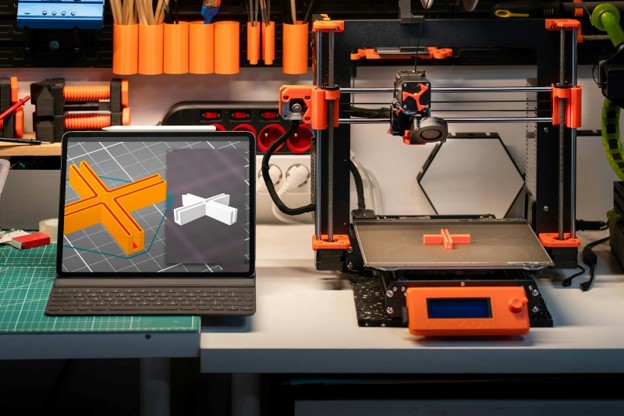
The future of CAD jobs is bright as technological advancement transforms the field. New fields like AI, automation, and 3D modeling are offering new opportunities for professionals.
Emerging Technologies
Some technologies, including 3D printing, virtual reality, and extended reality, changed the designing processes. These tools allow for more precise and interactive models, changing how CAD professionals work. As these technologies develop, adding them to the designs will be important to remain competitive.
AI-powered generative design is the best technology that changes the industry. The ability of this technology is that it can speed up the design process by offering multiple design options based on specific parameters.
Impact of Automation and AI
Automation and AI are reducing routine tasks in CAD jobs. This allows professionals to focus on more complex and artistic work. These advanced technologies will improve the design process.
AI will also boost the design, making it easier to solve problems and improve the workflow. CAD professionals must adapt and learn to work alongside these technologies.
Preparing for the Future
To succeed in the future of CAD jobs, professionals must learn about AI-powered tools, VR, and 3D printing. These technologies will be essential for staying in the industry.
Analytical thinking and problem-solving skills will also be essential as CAD experts face new challenges. Being adaptable and working with others will be even more important as teamwork increases.
FAQs
Here are answers to some common questions about CAD jobs, helping you understand the industry, roles, and opportunities available.
What jobs use CAD?
Various types of jobs require CAD expertise across industries. Some common rules include CAD Drafter, CAD Designer, CAD Engineer, and Product Designer. These positions are found in fields such as architecture, engineering, manufacturing, and construction.
Are CAD jobs in demand?
Of course, CAD jobs have high demand. Industries like engineering, construction, and product design rely heavily on CAD professionals to make accurate and exact designs. At present, as the demand for this technology increases day by day, the number of skilled CAD professionals increases.
How much do CAD jobs pay?
CAD jobs’ salaries depend on the skills of workers, job category, and location. On average, CAD drafters earn $50,000 to $60,000 annually. At the same time, more experienced professionals, such as CAD engineers, can get paid around $70,000 to $90,000 or more.
How to get a CAD job?
To get a CAD job, start by gaining proficiency in popular CAD software such as AutoCAD, SolidWorks, or Revit. Completing a relevant degree or certification in design, engineering, or architecture will also enhance your chances. Networking and applying for positions in your desired industry can help you land a job.
How to get a CAD job without experience?
For getting a CAD job without experience, consider taking entry-level positions, internships, or hands-on training. Making interesting presentations for academic projects by highlighting your CAD skills is an important step. Some online courses and certifications can help you gain a lot of experience and knowledge.
Conclusion
As the demand for advanced technology increases in industries, then CAD jobs offer different opportunities in various fields like engineering, manufacturing, and agriculture. With the help of this technology and with proper teamwork, CAD experts can turn ideas into reality. Whether you are a beginner or want to get advanced skills, CAD careers have a lot of possibilities.


